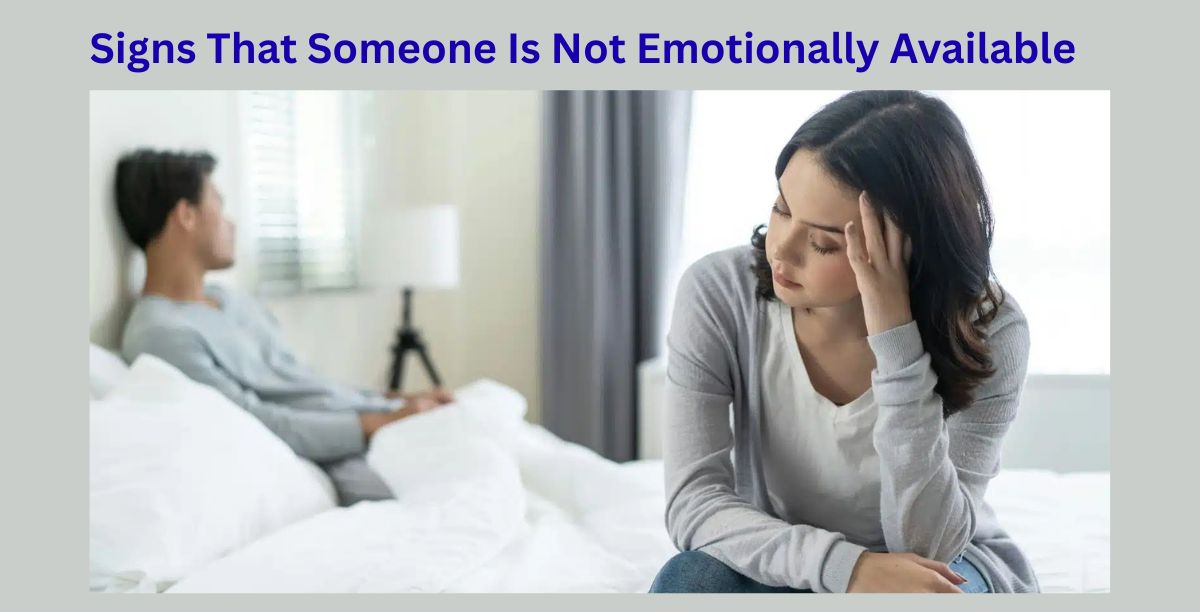
Signs That Someone Is Not Emotionally Available
One of the most crucial pillars of a happy, healthy relationship is emotional availability. It entails having the capacity to communicate emotions, being willing to connect on a deeper emotional level, and being open to vulnerability. When someone is emotionally available, they communicate openly, put in effort and time, and let others see and understand them.
However, a lack of emotional availability can lead to heartbreak, misunderstanding, and dissatisfaction. Sometimes you could feel connected to someone, but then you might suddenly feel distant or withdrawn. Early detection of the symptoms might help you avoid long-term emotional stress and make better choices in relationships.
In this article, we’ll explore the clear and subtle signs that someone may not be emotionally available, what these behaviors mean, and how to respond wisely.
1. They Avoid Deep Conversations
An emotionally unavailable person often keeps conversations surface-level. They may talk about work, hobbies, or daily events but avoid discussing feelings, fears, dreams, or personal struggles.
If you try to explore deeper topics, they might:
-
Change the subject
-
Make a joke
-
Give short, vague answers
-
Say they “don’t like overthinking things”
This avoidance is usually a defense mechanism to prevent vulnerability.
2. They Send Mixed Signals
One of the most frustrating signs is inconsistency. They may:
-
Be affectionate one day and distant the next
-
Talk about a future together but avoid commitment
-
Show interest but disappear without explanation
Mixed signals often reflect internal conflict. They may enjoy your company but fear emotional closeness.
3. They Fear Commitment
Emotionally unavailable people frequently avoid labels or serious discussions about the relationship. When commitment is mentioned, they might say:
-
“Let’s not rush things.”
-
“I’m not ready for anything serious.”
-
“Why do we need a label?”
While taking things slowly can be healthy, persistent avoidance of commitment can signal deeper emotional barriers.
4. They Rarely Open Up About Their Past
Everyone has a past, but emotionally unavailable individuals often keep theirs hidden. They may refuse to discuss previous relationships or emotional experiences.
If they do mention past relationships, it may be:
-
Blaming all exes
-
Describing themselves as the victim
-
Speaking with bitterness or detachment
This may indicate unresolved emotional wounds.
5. They Struggle With Expressing Feelings
When you express affection or emotional needs, they might respond with:
-
Silence
-
Discomfort
-
Humor to deflect
-
Logical analysis instead of empathy
For example, if you say, “I feel hurt,” they might respond with a solution rather than emotional validation.
6. They Prioritize Independence Excessively
Independence is healthy, but extreme independence can be a red flag. They may insist:
-
They don’t need anyone
-
They’re “better alone”
-
Relationships complicate life
They might avoid relying on you or letting you rely on them.
7. They Keep You at Arm’s Length
You may notice they:
-
Don’t introduce you to close friends or family
-
Avoid posting about you publicly
-
Keep certain areas of their life private
This emotional distance prevents full integration into their world.
8. They Avoid Conflict or Shut Down During Arguments
Instead of addressing problems, they may:
-
Withdraw completely
-
Refuse to discuss issues
-
Say “It’s fine” when it’s not
-
End conversations abruptly
Avoiding conflict prevents emotional growth and resolution.
9. They Have a History of Short-Term Relationships
A consistent pattern of brief relationships may indicate difficulty maintaining emotional intimacy. If they describe every relationship as ending for similar reasons, it may reflect emotional avoidance rather than coincidence.
10. They Are Uncomfortable With Vulnerability
Vulnerability is essential for intimacy. If they:
-
Mock emotional expression
-
Dismiss your feelings
-
Refuse to admit fear or weakness
It’s likely they struggle to connect emotionally.
11. They Send Clear Verbal Warnings
Sometimes emotionally unavailable people tell you directly:
-
“I’m not good at relationships.”
-
“I don’t want anything serious.”
-
“I’m emotionally unavailable.”
Believe them. These are not challenges to fix — they are boundaries or admissions of limitation.
12. They Focus Primarily on Physical Intimacy
If the relationship revolves mostly around physical closeness and lacks emotional bonding, it may indicate emotional detachment. Physical connection without emotional depth often leaves one partner feeling unfulfilled.
13. They Avoid Future Planning
When discussing future plans, they might:
-
Avoid specific commitments
-
Give vague answers
-
Change the subject
They may enjoy the present moment but resist envisioning a shared future.
14. They Become Distant When Things Get Serious
As emotional closeness increases, they might suddenly:
-
Pull away
-
Become busy
-
Create unnecessary conflict
-
End the relationship abruptly
This pattern often stems from fear of vulnerability.
15. They Lack Emotional Empathy
Empathy is the ability to understand and share another person’s feelings. An emotionally unavailable person may:
-
Minimize your struggles
-
Show little concern during emotional moments
-
Appear emotionally detached
Without empathy, deep emotional connection becomes nearly impossible.
Why Some People Are Emotionally Unavailable
Understanding the root causes can help you approach the situation with clarity rather than anger. Common reasons include:
-
Past heartbreak or trauma
-
Fear of abandonment
-
Childhood emotional neglect
-
Low emotional intelligence
-
Fear of losing independence
However, understanding the cause does not mean you must tolerate unhealthy patterns.
What You Can Do
If you suspect someone is emotionally unavailable:
1. Observe Patterns, Not Promises
Pay attention to consistent behavior rather than occasional affection.
2. Communicate Your Needs Clearly
Express what you need emotionally. If they cannot meet those needs, believe their actions.
3. Avoid Trying to “Fix” Them
Emotional growth must come from within. You cannot force someone to become available.
4. Protect Your Emotional Health
If you feel chronically anxious, confused, or neglected, it may be time to reassess the relationship.
Conclusion
Prolonged sadness can be avoided by early detection of emotional unavailability. Even though everyone has a distinct emotional speed, transparency, empathy, and constant work from both partners are necessary for a healthy relationship.
It is not your job to alter someone who consistently shuns emotional depth, commitment, and vulnerability. Prioritize partnerships where reciprocal connection is encouraged rather than feared and emotional availability comes easily.
It is not healthy to chase after someone who is far away. It’s about creating a safe, transparent, and emotionally satisfying relationship with someone who is prepared.